AI Automation for B2B: Approaches to Enhance Your Company Efficiency
AI automation in the B2B market provides a critical opportunity for organizations to enhance their efficiency. By enhancing processes and boosting decision-making, companies can attain substantial efficiencies. The effective assimilation of AI calls for mindful factor to consider of various variables. Comprehending which areas to automate and choosing suitable tools are simply the beginning. The possibility for transformation raises critical questions concerning application and continuous examination. What techniques will assure lasting success in this developing landscape?
Comprehending AI Automation in B2B Context
As services increasingly look for efficiency and advancement, understanding AI automation in the B2B context becomes crucial. AI automation leverages innovative modern technologies to simplify processes, improve decision-making, and boost total productivity. By integrating AI devices, business can enhance procedures such as supply chain monitoring, consumer partnership management, and information analysis. These technologies can evaluate huge quantities of data rapidly, supplying workable insights that drive critical initiatives. Furthermore, AI-driven automation decreases human mistake and frees up workers to concentrate on even more complex tasks. By cultivating cooperation between human intelligence and maker abilities, organizations can achieve a competitive side. Inevitably, recognizing AI automation is vital for B2B companies aiming to thrive in a progressively digital marketplace.
Identifying Areas for Automation
In the mission for reliable AI automation in B2B, it is important to determine details areas where automation can generate substantial advantages. This includes reviewing job repetitiveness, checking out possibilities for data processing, and identifying process traffic jams. By concentrating on these aspects, organizations can enhance operations and boost performance.
Job Repetitiveness Assessment
Job monotone analysis plays a necessary function in determining areas ripe for automation within B2B procedures. Minarik AI. This procedure involves examining daily tasks to identify which are lengthy and repetitive, thereby impeding efficiency (AI Automation For B2B). By inspecting workflows, businesses can pinpoint specific functions that need extreme hand-operated input, such as information access, invoice handling, or consumer follow-ups. Recognizing these repetitive jobs enables organizations to allocate resources better, boosting total efficiency. Furthermore, automation can decrease human error, simplify operations, and liberate employees to concentrate on higher-value activities. Performing a comprehensive job repetitiveness analysis equips B2B organizations to adopt targeted automation strategies, ultimately driving boosted efficiency and affordable benefit in the industry
Information Handling Opportunities
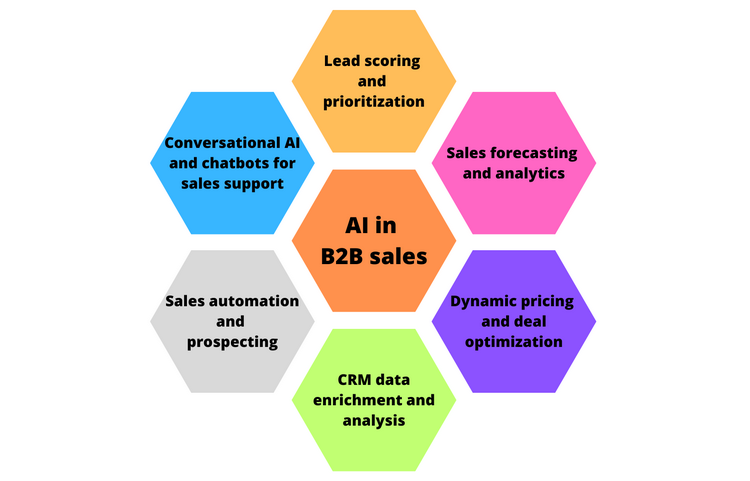
Process Bottleneck Recognition
Recognizing operations traffic jams is an important action in realizing the full advantages of automation within B2B companies. These bottlenecks typically materialize as hold-ups, resource restrictions, or ineffective processes that hinder efficiency. To successfully pinpoint these locations, organizations can conduct thorough analyses of their operations, utilizing metrics such as cycle time and throughput. Involving employees in discussions regarding pain points can likewise supply important insights. Organizations can prioritize them based on impact and usefulness for automation as soon as bottlenecks are identified. By purposefully attending to these inadequacies, B2B firms can streamline operations, enhance cooperation, and ultimately improve total performance. This proactive strategy to operations analysis prepares for effective automation efforts that drive service growth.
Selecting the Right AI Tools and Technologies
As organizations progressively transform to AI to enhance their procedures, choosing the right tools and innovations comes to be important for accomplishing wanted outcomes. Organizations must examine their certain demands and goals, considering elements such as scalability, user-friendliness, and compatibility. A thorough market evaluation can assist identify leading AI services tailored for their sector. In addition, organizations should analyze the technological facilities called for to support these devices, guaranteeing smooth integration with existing systems. Data security and conformity with guidelines are likewise vital considerations that affect tool choice. By concentrating on these criteria, business can make educated choices that drive performance and efficiency, inevitably leading to boosted service performance. The best AI devices encourage organizations to innovate and keep an affordable side out there.
Developing a Strategic Implementation Plan
An effective calculated execution prepare for AI automation in B2B needs plainly specified key goals. In addition, organizations need to assess their current capacities to determine spaces and chances for renovation. Continuous tracking and change of the technique will ensure placement with evolving service demands and innovation advancements.
Define Key Goals
To ensure successful AI automation in B2B atmospheres, specifying crucial objectives is crucial for developing a tactical implementation plan. Organizations should determine specific, measurable objectives that straighten with their general business strategy. This quality gives a roadmap for the automation process, making sure that efforts are concentrated on locations that will certainly produce the highest impact. Secret purposes may include enhancing functional effectiveness, boosting client complete satisfaction, or increasing income. Setting these goals allows teams to focus on sources effectively and track progress over time. Additionally, clear goals facilitate much better interaction among stakeholders, fostering collaboration and positioning throughout the organization. Inevitably, well-defined objectives offer as the foundation for a robust AI automation technique that drives business performance.
Analyze Current Abilities
Before implementing AI automation, companies have to thoroughly analyze their existing capacities to recognize weak points and staminas. This analysis entails taking a look at existing innovations, workforce abilities, and functional procedures. By performing a thorough audit, services can determine locations that call for renovation or investment. Organizations must also consider their data management techniques, as the quality and accessibility of information are crucial for effective AI integration. Recognizing the present technical landscape makes it possible for companies to align their sources and capabilities with their calculated objectives. Additionally, it is necessary to review firm society and preparedness Discover More Here for change, as these variables substantially influence the adoption of AI services. This evaluation acts as the structure for creating a critical application strategy that optimizes the capacity of AI automation.
Display and Readjust
Implementing AI automation calls for a dynamic method that highlights continuous surveillance and adjustment. Businesses should establish a tactical implementation strategy that incorporates regular evaluations of AI efficiency against predefined metrics. This includes monitoring crucial efficiency signs (KPIs) to evaluate the efficiency of automation options. By assessing information, companies can recognize locations for enhancement and tweak their AI systems accordingly. Involving with stakeholders throughout the process assures that the automation straightens with organization objectives and individual needs. In addition, cultivating a society of versatility permits business to respond promptly to transforming market conditions and technical innovations. AI Automation For B2B. Eventually, continuous tracking and adjustment not just boost functional performance yet additionally drive sustained business performance in the competitive B2B landscape
Ensuring Data High Quality and Assimilation
As organizations progressively count on AI automation in B2B processes, guaranteeing information top quality and assimilation becomes important for success. High-grade information is important for accurate analytics, informed decision-making, and reliable customer interaction. Information should be cleansed, standard, and validated to eliminate errors and incongruities that can lead to illinformed insights. Furthermore, seamless assimilation across various systems and systems is important; inconsonant data silos prevent automation efforts and reduce functional effectiveness. Organizations must embrace robust information governance structures and make use of innovative devices to promote data combination while preserving high quality requirements. By focusing on these elements, organizations can boost their AI automation efforts, eventually causing improved performance and an affordable advantage in the B2B landscape.
Measuring Success and ROI of AI Initiatives
Exactly how can organizations efficiently gauge the success and return on financial investment (ROI) of their AI efforts? To determine performance, organizations need to establish clear, quantifiable goals straightened with calculated objectives. Key performance indications (KPIs) such as cost financial savings, revenue development, and efficiency enhancements can offer valuable understandings. Organizations typically perform baseline evaluations prior to executing AI, enabling them to contrast pre- and post-implementation metrics. Additionally, analyzing consumer satisfaction and engagement can disclose the impact of AI on user experience. On a regular basis examining these metrics aids in refining AI techniques and ensuring placement with business goals. By using an organized approach to measurement and assessment, companies can accurately assess the performance of their AI initiatives and make notified choices regarding future financial investments.
Conquering Challenges in AI Fostering
Although lots of companies acknowledge the capacity of AI to transform their operations, they commonly encounter significant challenges during adoption. Secret difficulties consist of a lack of experienced personnel, which interferes with the reliable implementation and management of AI modern technologies. Organizations also face assimilation concerns, as existing systems may not work with brand-new AI services. Additionally, concerns regarding data personal privacy and safety can result in hesitance in fully embracing AI abilities. Resistance to alter from employees can additionally complicate the change, necessitating extensive training and interaction approaches. To conquer these obstacles, companies need to buy skill growth, assurance durable information governance, and cultivate a society that accepts technology, eventually leading the method for successful AI integration and enhanced company performance
Often Asked Questions
Just How Can AI Automation Improve Client Partnership Administration in B2B?
AI automation can boost consumer connection monitoring in B2B by streamlining communication, providing personalized communications, assessing consumer data for insights, automating follow-ups, and boosting reaction times, eventually fostering more powerful partnerships and driving sales growth.
What Industries Benefit Most From AI Automation in B2B?
Manufacturing, finance, medical care, and logistics sectors benefit most from AI automation in B2B. These industries take advantage of automation to simplify procedures, improve data evaluation, enhance customer interactions, and eventually increase functional effectiveness and profitability.
How Does AI Automation Influence Staff Member Roles in B2B Firms?
AI automation changes worker duties in B2B firms by streamlining tasks, decreasing recurring job, and enabling staff to focus on tactical efforts. This change boosts productivity and fosters a society of development and adaptability.
What Are the Prices Connected With Implementing AI Automation?
The expenses connected with executing AI automation consist of preliminary software procurement, framework upgrades, training expenses, recurring maintenance, and possible integration difficulties. B2B Growth Consulting. Companies must likewise think about long-term functional shifts and staff member adaptation expenses in their economic planning
Just How Can Companies Guarantee Moral AI Use in Their Procedures?
Companies can assure honest AI usage by establishing clear standards, promoting transparency, performing regular audits, entailing diverse stakeholders, and focusing on information personal privacy. Continual training and understanding programs even more boost understanding and adherence to ethical methods.
